PDU Load Balancing for Multi-Rack Deployments
A practical guide to distributing ASIC miner power draw across circuits when your fleet exceeds 0.15 PH/s in a South Korean industrial facility.
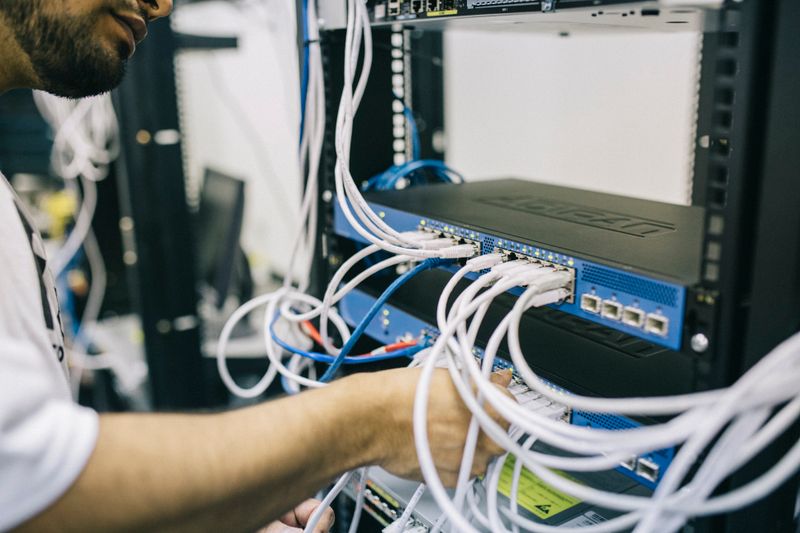
When a mining floor crosses 0.15 PH/s, single-circuit installations stop being viable. Most industrial leases in South Korea provide 200A three-phase service, but the usable capacity per leg depends on what else shares the panel.
Start with Nameplate, Not Benchmark
Each ASIC unit has a nameplate wattage. An S21 lists 3,550 W. Multiply by unit count, add 15% headroom for startup inrush, and compare against your panel capacity. We have seen operators trip main breakers during simultaneous reboots because they sized for average draw, not peak.
Staggered Startup Sequences
For fleets above 0.2 PH/s, we configure managed PDUs to power on racks in sequence with 90-second delays. This prevents inrush current from stacking across all units. The hash rate loss during staggered startup is negligible compared to a tripped breaker that takes the entire floor offline for an hour.
Three-Phase Leg Distribution
In a three-phase panel, aim to balance load within 10% across legs. Uneven loading causes neutral current issues and can overheat wiring on the heaviest leg. We label each PDU with its assigned leg and verify with a clamp meter before signing off on a deployment.
When to Call an Electrician
We handle PDU mounting and miner cabling, but panel modifications require a licensed electrician in South Korea. If your expansion plan needs a new sub-panel, budget two to four weeks for permitting in Seoul and Gyeonggi-do municipalities.
Checklist Before Scaling
- Panel capacity calculation with 15% inrush headroom
- Per-leg load balance within 10%
- Staggered startup configured on managed PDUs
- Cable gauge verified for sustained load (not just peak)
- Emergency shutdown procedure documented for night shift staff